Clearing Waste near Pimlico Station & Bessborough Gardens
Posted on 15/09/2026
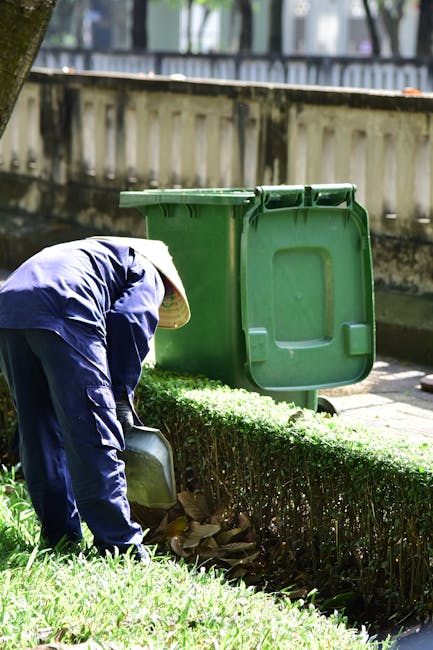
Clearing Waste near Pimlico Station & Bessborough Gardens: A Practical Local Guide
If you are looking into Clearing Waste near Pimlico Station & Bessborough Gardens, you are probably dealing with the sort of everyday mess that quietly turns into a bigger problem than expected. A broken wardrobe blocking the hallway. Bags piling up after a flat move. Garden cuttings, old office furniture, or builders' debris that needs shifting without upsetting neighbours or causing a headache on the street. Around Pimlico, space is tight, access can be awkward, and timing matters more than people think.
This guide walks through what waste clearing involves, how it works in a busy central London setting, and what to look for if you want a smooth, tidy result. You will also find practical tips, a comparison of methods, a realistic checklist, and a few things worth knowing before you book anything. Let's face it, waste clearance is rarely glamorous. But when it is done properly, the relief is immediate.
Why Clearing Waste near Pimlico Station & Bessborough Gardens Matters
In this part of Pimlico, waste clearance is not just about making a room look better. It is about keeping shared spaces usable, avoiding complaints, and preventing a small issue from snowballing into a much bigger one. You notice it most in places with narrow roads, controlled parking, and lots of residents coming and going on foot. A bag left too long, a sofa on a pavement, or a stack of broken bits in a lobby stands out fast.
Bessborough Gardens has that familiar central-London feel: residential buildings, busy footfall, occasional delivery chaos, and not much room for error. Near Pimlico Station, timing is everything. If waste is left in the wrong place or at the wrong time, it can block access, upset neighbours, and create an avoidable safety issue. It can also attract pests and make a property feel neglected, which is never ideal if you are letting, selling, or simply trying to live sanely.
There is also the image side of it. A clear entrance, tidy frontage, and clean communal area immediately changes how a place feels. You probably know that moment when a cluttered hallway suddenly feels smaller, darker, and more stressful than it really is. Clearing the waste restores breathing room. Simple, but powerful.
Practical takeaway: In a dense neighbourhood like Pimlico, waste clearance is as much about access, timing, and neighbourly consideration as it is about removal.
If you are also thinking more broadly about property upkeep, related services such as rubbish clearance in Pimlico, waste removal in Pimlico, and the wider services overview can help you understand how different clearance needs fit together.
How Clearing Waste near Pimlico Station & Bessborough Gardens Works
Most clearance jobs follow the same general pattern, though the details can vary depending on what is being removed and how easy it is to access. In a place like Pimlico, the local conditions matter more than people expect. Is there lift access? Is there a loading window? Can a vehicle park close enough to make the job efficient? Those little details decide whether a clearance feels easy or slightly chaotic.
Typically, the process starts with identifying what needs to go. That sounds obvious, but it is where many jobs are won or lost. A good clearance plan separates general household rubbish, bulky items, garden waste, and anything that needs special handling. From there, the work is usually coordinated around access, lifting, loading, sorting, and disposal or recycling.
For example, a flat clearance near the station might require careful stair carrying and a quick turnaround to avoid blocking a shared entrance. A garden job near Bessborough Gardens may involve green waste, soil, old pots, broken fencing, and some surprisingly heavy damp bags that look harmless until you try to move them. Slightly annoying? Yes. Common? Also yes.
Typical stages in a clearance job
- Initial assessment: what needs removing, how much there is, and whether any items need separate handling.
- Access check: stairs, lifts, driveway width, parking, and loading distance.
- Removal plan: choosing the best time and the most efficient route out of the property.
- Sorting: identifying items for reuse, recycling, disposal, or specialist treatment.
- Loading and transport: moving everything safely without damaging walls, floors, or shared areas.
- Final sweep: leaving the area tidy, because nobody wants dust and debris left behind.
For bigger jobs, especially when building work is involved, it helps to look at dedicated support such as builders' waste disposal in Pimlico. And if the clearance includes old furniture, household contents, or inherited belongings, then house clearance in Pimlico may be the more appropriate route.
Key Benefits and Practical Advantages
The obvious benefit is that the waste goes away. But the real value is what that removal makes possible. A clear room can be used properly again. A clean entrance feels more welcoming. A blocked storage area becomes useful storage again, which is almost funny when you think about it. The pile that felt permanent was never permanent at all.
Here are the practical advantages people usually notice first:
- Faster space recovery: you regain usable room without dragging the job out for days.
- Less disruption: one coordinated clearance is usually less stressful than several small trips.
- Better presentation: useful if you are renting, selling, refurbishing, or simply keeping standards up.
- Safer access: reduced trip hazards in hallways, gardens, stairwells, and shared areas.
- Improved recycling opportunities: separating materials properly can reduce landfill-bound waste.
- Less neighbour friction: tidy, timely removal is just easier for everyone around you.
There is also a quiet mental benefit. A clean-up job removes background stress. You stop seeing the pile every time you walk past it. That matters more than people admit. It is not dramatic, but it is real.
If sustainability is important to you, it may also be worth reading about recycling and sustainability. Clearance does not have to mean throwing everything into one mixed heap. Good practice usually starts with sorting.
Who This Is For and When It Makes Sense
Waste clearance near Pimlico Station and Bessborough Gardens is relevant to a lot of people, not just property managers or landlords. Truth be told, it tends to be needed by anyone who has more stuff than space and less time than patience.
This service makes sense if you are:
- moving out of a flat and need to leave it clear
- dealing with bulky furniture that will not fit in a car
- clearing a garden after pruning, landscaping, or a stormy weekend
- emptying a rental property between tenancies
- refreshing an office or small commercial space
- renovating and generating mixed builders' waste
- handling a large declutter after years of gradual buildup
It can also help in awkward moments. A mattress gets soaked and needs replacing. A sofa arrives, but the old one still sits in the living room like an uninvited guest. A tenant leaves behind more than expected. Or perhaps the old filing cabinets in a small office are eating half the room. Happens all the time.
For business premises, office clearance in Pimlico is often the better fit, especially when desks, IT equipment, archive boxes, and office furniture are involved. Homeowners or landlords may find house clearance in Pimlico more relevant when the job is wider and more varied.
Step-by-Step Guidance
If you want a calm, efficient clearance, a bit of preparation goes a long way. You do not need to turn it into a military exercise, but a little structure saves time and money. Here is a sensible way to approach it.
1. Identify exactly what needs clearing
Walk through the property and separate the load into categories: general rubbish, bulky furniture, green waste, builders' debris, and anything potentially sensitive or specialist. Do not rely on memory alone. That usually ends with, "Oh, I forgot about the shed."
2. Check access and timing
Make a note of stairways, lifts, parking restrictions, entry codes, and loading space. Near Pimlico Station, even a short delay can throw off a schedule if traffic or pedestrian flow is busier than expected. Morning or mid-day windows often work better than peak commuter times, but the best slot depends on the building and the street.
3. Decide what can be reused, donated, or recycled
Not everything needs to be treated as pure waste. Some items may be suitable for reuse, and many materials can be separated for recycling. Good clearance is not just removal; it is selective handling. That distinction matters.
4. Book the right type of clearance
If the job is mainly loose rubbish, a general service may be enough. If you have renovation waste, you will likely want a builders' solution. If the job includes garden debris, choose a service that specifically handles green waste. Matching the job to the service avoids unnecessary back-and-forth.
5. Keep shared areas clear
If you live in a block, warn neighbours or building staff if needed. Keep hallways open, protect floors if the route is tight, and make sure anything fragile is moved or marked. A tiny bit of courtesy here prevents bigger issues later.
6. Ask for confirmation of disposal handling
It is reasonable to ask how waste will be sorted and where recycling comes in. You do not need every detail, but you should feel comfortable that items are being handled responsibly. A reputable operator should be able to explain the process in plain English.
7. Do a final walkthrough
Once the waste is gone, take a moment to check corners, cupboards, and outdoor edges. You would be surprised how often a small item gets missed. A broom pass at the end? Worth it.
Expert Tips for Better Results
A few small decisions can make the whole job smoother. In our experience, the best clearances are the ones where the logistics are thought through before anyone starts lifting. Not glamorous, but highly effective.
- Group items by type before the team arrives. It speeds everything up and reduces confusion.
- Measure large pieces in advance. Wardrobes, mattresses, and corner sofas can be awkward in narrow hallways.
- Keep a quick photo record. A few pictures help explain the job clearly and reduce surprises.
- Use the nearest legal loading point if available. Fewer carrying steps usually means a quicker clearance.
- Protect high-traffic surfaces. Shared stairwells and entrance tiles can scuff easily.
- Set aside anything you want to keep. Sounds obvious, but mixed piles have a way of blurring together.
One slightly underappreciated tip: label anything that should not be touched. A simple note on a box, shelf, or bag can save a lot of awkwardness. That one note may prevent a fairly silly mistake. Humans, eh?
If you are choosing between broader clearance options, the services overview can help you think through what fits your situation, while your rubbish removal needs is a useful way to frame the job before you book.

Common Mistakes to Avoid
Most clearance problems are avoidable. They usually come from underestimating how much there is, forgetting about access, or assuming a "quick job" will somehow stay quick once the lifting starts. It rarely does.
- Leaving everything until the last minute: this leads to rushed decisions and poor sorting.
- Ignoring building access rules: lift bookings, entry times, and parking restrictions can derail a plan.
- Mixing reusable items with waste: once everything is in one heap, sorting becomes harder.
- Forgetting hidden waste: lofts, cupboards, balconies, sheds, and under-bed storage often hold more than expected.
- Choosing the wrong clearance type: a garden job is not the same as a builders' job, and the wrong fit can cost time.
- Not checking safety and insurance expectations: this is especially important in shared or high-value properties.
There is also the classic mistake of assuming a van can just pull up anywhere for ten minutes. Near Pimlico Station, that sort of optimism can be expensive in time and stress. Better to plan properly.
Tools, Resources and Recommendations
You do not need much in the way of specialist equipment for a standard clearance, but the right tools do make a difference. For household prep, sturdy bin bags, gloves, tape, labels, and a basic marker pen go a long way. For larger jobs, moving straps, furniture dollies, floor coverings, and protective wrap can help prevent damage and keep things moving safely.
Here are a few sensible recommendations:
- Gloves: useful for dusty, sharp, or damp items.
- Heavy-duty bags: better for mixed loose waste and garden cuttings.
- Labels and tape: ideal for sorting keep, donate, recycle, and remove piles.
- Floor protection: worth it in flats with polished surfaces or narrow entrances.
- Basic measuring tape: helpful for large furniture and awkward stair turns.
If your job includes damp vegetation, broken fencing, or cut branches, garden waste removal in Pimlico may be the most relevant route. For mixed household contents, house clearance in Pimlico remains the better fit. And for jobs where pricing matters from the outset, pricing and quotes is the kind of page worth checking before you decide.
Law, Compliance, Standards, or Best Practice
Waste clearance in the UK comes with responsibilities, especially where commercial waste, controlled access, or mixed materials are involved. You do not need to become a legal expert to arrange a straightforward clearance, but you should understand the basics. In practice, the key concern is that waste should be handled by responsible parties and disposed of appropriately. That includes separating recyclable materials where possible and avoiding fly-tipping or careless dumping.
For businesses, duty of care is especially relevant. If an office or shop is clearing waste, the records, handling, and handover should all be done properly. If you are arranging work for a building with shared access, it is also wise to consider safety, neighbour impact, and any building management rules. Not every job needs a formal document pack, but every job should be handled in a way that stands up to common sense.
Insurance and safety matter too. Workers should be able to move items without creating risk for themselves or others, and property owners should feel confident that damage is minimised. If a clearance involves sharp objects, heavy furniture, or restricted access, extra care is not optional. It is the job.
For more on this side of things, the pages on insurance and safety and commercial waste duty of care for Pimlico businesses are worth a look if your clearance is work-related. If you are comparing options quickly, permits, fines and SW1V house clearances in Pimlico can also help you think through the practical risks.
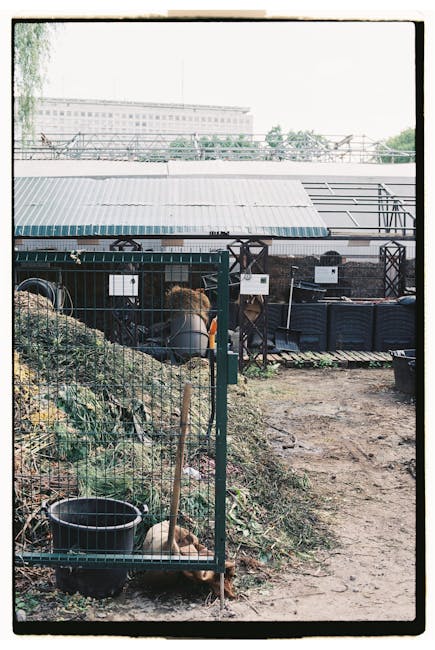
Options, Methods, or Comparison Table
Not every waste problem needs the same solution. The best method depends on volume, type of waste, urgency, and how awkward the access is. Sometimes a small van-and-man clearance is enough. Sometimes the job is better handled in stages. And sometimes, to be fair, you need a bit of everything.
| Method | Best for | Strengths | Limitations |
|---|---|---|---|
| General rubbish clearance | Mixed household waste, bagged items, light clutter | Simple, flexible, quick to arrange | May not suit bulky or specialist waste |
| Garden waste removal | Branches, cuttings, soil, old planters, outdoor debris | Good for outdoor clean-ups and seasonal work | Can be heavy and messy if mixed with general rubbish |
| House clearance | Full or partial property clear-outs | Well suited to larger domestic jobs | Needs clearer planning and sorting |
| Office clearance | Desks, chairs, filing, boxes, small commercial items | Useful for business moves and refurbishments | May involve access coordination and data-sensitive items |
| Builders' waste disposal | Rubble, timber offcuts, packaging, renovation debris | Handles heavier mixed construction waste | Requires better segregation and site awareness |
If you are unsure which route fits, start with the nature of the material, not just the volume. Ten bags of garden cuttings behave very differently from ten bags of broken tiles. That small distinction saves a lot of guesswork.
Case Study or Real-World Example
Here is a realistic example from the sort of work that comes up in this area. A resident near Bessborough Gardens had a flat that needed clearing after several years of gradual accumulation. Nothing dramatic. Just the usual mix of old chairs, flattened boxes, a broken bedside cabinet, a spare mattress, and a balcony corner full of plant pots that had definitely seen better days.
The challenge was access. The building had a shared entrance, limited parking, and a narrow route through the hallway. The practical solution was to sort the items the night before, separate a few reusable pieces, and stage the rest in one room to keep the process tidy. On the day, the team worked in a short window to avoid peak foot traffic. A couple of items needed careful turning on the stair landing, and one chair looked smaller from the wrong angle than it did in the room. That happens.
The job worked because it was planned around the building, not just the waste. The resident got the flat back in usable shape, the communal area stayed clean, and the whole thing finished without drama. That is usually the mark of a good clearance: nothing memorable happens. Which is exactly what you want.
For local context and the feel of the area, some readers also like the broader background in A Local's Guide to Pimlico, especially if they are new to the neighbourhood or arranging property work here for the first time.
Practical Checklist
Use this checklist before arranging clearing waste near Pimlico Station and Bessborough Gardens. It keeps things simple and avoids the usual last-minute panic.
- Identify the type of waste: household, garden, office, or builders' debris.
- Separate anything you want to keep before the clearance date.
- Measure bulky items and note awkward corners or stair turns.
- Check access, lift use, parking, and loading restrictions.
- Confirm whether any items need special handling.
- Decide if reuse or recycling is possible for some materials.
- Protect floors and shared entrances where needed.
- Tell neighbours or building management if the job may affect common areas.
- Ask how the waste will be sorted and disposed of.
- Do a final sweep once the clearance is complete.
Quick reminder: the cleaner the prep, the smoother the clearance. It really is that straightforward.
Conclusion
Clearing waste near Pimlico Station & Bessborough Gardens is not just a logistical job; it is a practical way to reclaim space, reduce stress, and keep a busy part of London running smoothly. With the right planning, the right clearance method, and a clear sense of what needs removing, the process can be efficient rather than chaotic. That is the goal, really. Calm, tidy, done.
If you are comparing options, think in terms of access, waste type, timing, and how much sorting you want to do beforehand. A bit of preparation pays off quickly, especially in an area where space is limited and good manners matter. And if you are unsure which service suits your job, it is perfectly reasonable to start by exploring the main clearance pages, then choose the option that matches your situation best.
Get a free quote today and see how much you can save.
Once the clutter is gone, the space tends to feel bigger, lighter, and a little easier to live in. Funny how that works.

From a young age, Blair has cultivated a passion for order, which has now matured into a prosperous profession as a waste removal specialist. She derives satisfaction from transforming disorderly spaces into practical ones, aiding clients in conquering the burden of clutter.
 Tipper Van - Junk Clearance and Rubbish Clearance Prices in Pimlico, SW1
 Luton Van - Junk Clearance and Rubbish Clearance Prices in Pimlico, SW1